Learning through play
Play lays the essential foundation for the “three Rs.”
The original article begins in a busy classroom: children cooking in dramatic play, building with blocks, reading, drawing, painting, doing puzzles, and talking together. It asks why these children are playing—and explains that a purposeful preschool curriculum builds the foundation for reading, writing, and arithmetic.
- Essential reading skills.Preschool experiences support visual and auditory discrimination, left-to-right tracking, vocabulary, book knowledge, story understanding, attention, confidence, and a desire to read.
- Pre-handwriting and large-muscle development.Children develop control and coordination through blocks, painting, cutting, puzzles, drawing, creative movement, everyday classroom work, and outdoor activity.
- Essential math skills.Sorting, classifying, comparing, counting, recognizing shapes, building patterns, measuring, and using materials give children meaningful mathematical experience.
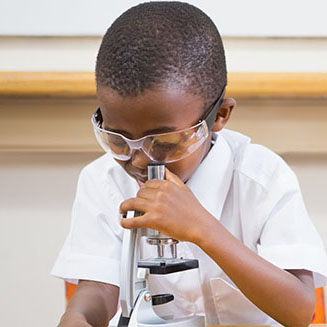
- Other academic skills.Children develop curiosity, observation, vocabulary, scientific thinking, problem solving, and knowledge of the world through play, conversation, books, visitors, and field experiences.
- Social and emotional skills.Working with peers helps children communicate, cooperate, negotiate, make choices, persist, gain self-control, and develop a positive self-concept.
This page closely paraphrases “Why Are the Children Playing?” by Sandra W. Newnan, previously published on Laurelwood’s site with the author’s credit.
Read Sandra W. Newnan’s original article at Open Door School